
Choosing Between Bus Rental and a Managed Fleet Contract
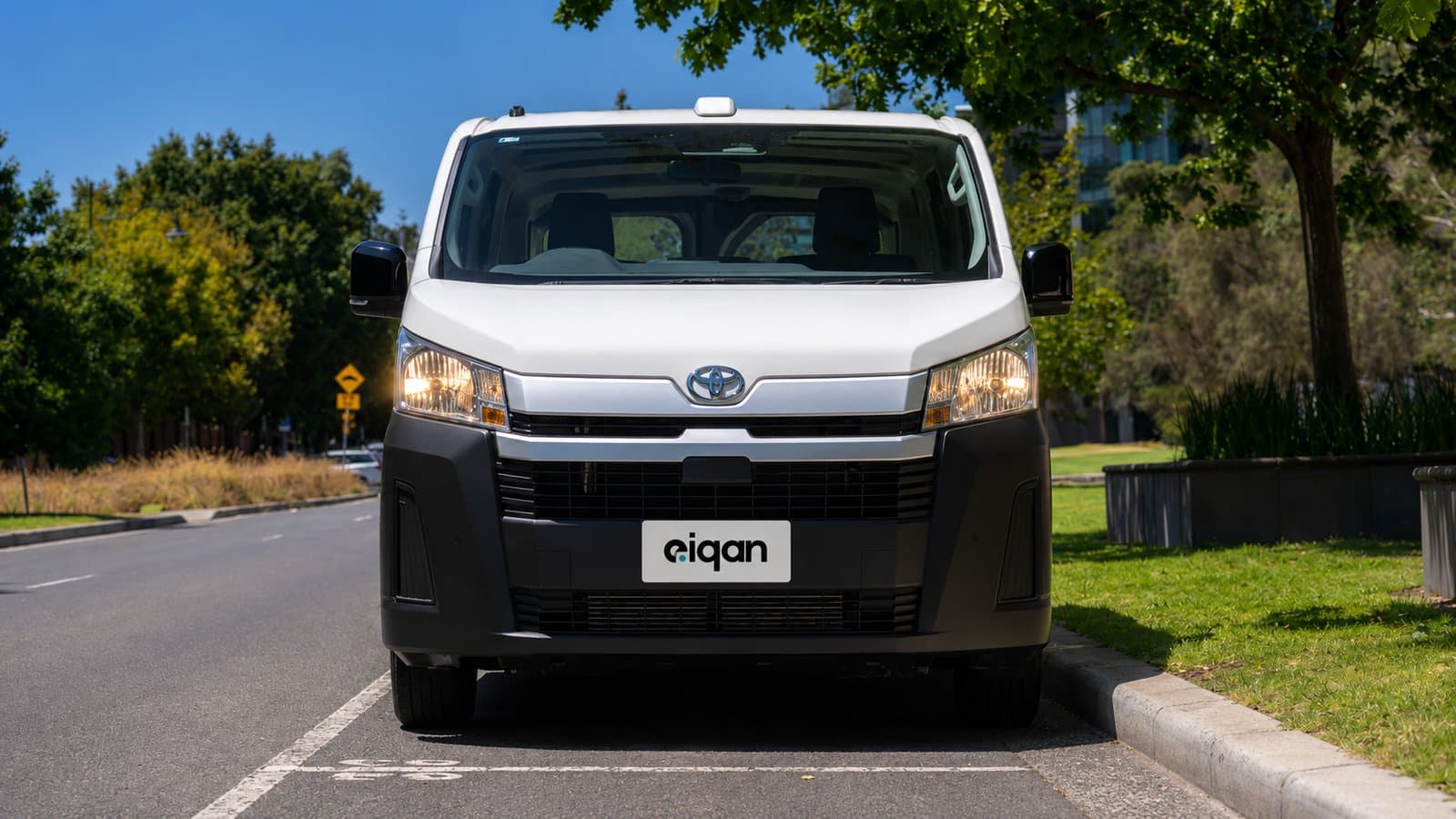
Bus rental suits defined, short-term transport needs. A managed fleet contract suits recurring daily operations like school pick-up or employee shuttles. Choosing the wrong model means either paying for idle infrastructure or absorbing repeated coordination overhead on what is effectively a permanent route.
Bus rental and managed fleet contracts solve different problems, and choosing the wrong one usually shows up as wasted budget or inadequate service.
Rental makes sense for one-off or infrequent needs: a field trip, a conference, a seasonal event, or a short-term surge in transport demand. The commitment is short, the routes are typically fixed in advance, and the priority is a reliable vehicle and driver for a defined window.
When a Managed Fleet Contract Makes Sense
What's the core difference between bus rental and a managed fleet contract?
Rental is built for defined, temporary transport needs, a specific trip or short-term surge. A managed fleet contract is built for recurring, daily operational transport that needs ongoing route optimization, safety monitoring, and reporting at scale.
A managed fleet contract makes sense when transport is a recurring, daily operational need, student pick-up and drop-off, employee shuttles, or ongoing multi-site logistics. Here, the value isn't just the vehicles; it's the ongoing route optimization, safety monitoring, and reporting that only make sense at scale and over time.
The commitment is longer and the relationship deeper, but the payoff is an operation that improves continuously instead of being reconfigured from scratch every time it's needed.
The Cost of Getting This Decision Wrong
Choosing rental for a recurring need means re-negotiating and re-coordinating every time the need repeats, losing the continuity, route optimization, and driver familiarity that a managed contract builds over time. Choosing a managed contract for an occasional need means paying for infrastructure that sits idle most of the year.
Neither mistake is catastrophic on its own, but both erode the value an organization should be getting from its transport spend, one through repeated overhead, the other through underutilization.
Not sure which fits your situation? EIQAN offers both bus rental and fully managed fleet contracts on the same platform, so you can start with rental and transition later without switching providers.
Explore bus rental optionsA Practical Way to Decide
The organizations that get this decision right usually start with rental to test a route or program, then transition to a managed contract once the need proves to be recurring rather than occasional. This sequencing avoids overcommitting to infrastructure before demand is proven, while still giving the option to scale into something more permanent.
A simple test: if you can predict the exact dates and routes six months from now, it's probably a fit for rental. If the need repeats indefinitely without a clear end date, a managed contract is usually the better economic choice.
Budget cycles matter too. Rental costs are easy to forecast for a single trip but harder to predict in aggregate if the need turns out to be more frequent than expected, invoices arrive per use rather than as a single predictable line item. A managed contract, by contrast, gives finance teams a fixed, plannable cost over the contract term, which is often the deciding factor for organizations trying to lock in an annual transport budget rather than manage a variable one.
The Bottom Line
There's no universally right answer, only a right answer for how often the need repeats. Getting the sequencing right, starting with rental and scaling into a managed contract when the pattern is clear, avoids paying for either mistake.
What matters most is working with a provider who can support both models without forcing a decision before you have the data to make it well.
Key Takeaways
- 1Rental is right for one-off or infrequent needs; managed contracts suit daily recurring transport
- 2Choosing rental for a recurring need creates repeated coordination overhead and no route optimisation
- 3Choosing a managed contract for occasional needs means paying for infrastructure that sits idle
- 4The clearest signal to switch from rental to managed is the same route being booked repeatedly
- 5Starting with rental and transitioning to a managed contract is a common and sensible sequence
Frequently Asked Questions
Can we start with bus rental and switch to a managed fleet contract later?
Yes. Because both run on the same operational platform, transitioning from rental to a managed contract doesn't require switching providers or rebuilding route data from scratch.
Is bus rental more expensive per trip than a managed contract?
For occasional use, rental is typically more cost-effective since you're not paying for continuous infrastructure. For daily, recurring use, a managed contract usually becomes more economical over time.
Do rental vehicles meet the same safety standard as managed fleet vehicles?
Yes. Every rental vehicle goes through the same inspection and compliance process as EIQAN's managed fleet before being assigned to a trip.
What's a typical sign that an organization should move from rental to a managed contract?
Repeated rental bookings for what's effectively the same recurring route is usually the clearest signal, at that point, a managed contract typically delivers better route optimization and reporting for a similar or lower cost.
Can rental and managed fleet vehicles be mixed within the same organization?
Yes. Many organizations run a managed fleet for core daily routes and supplement with rental for peak periods or one-off needs, without any conflict between the two.
Does switching from rental to a managed contract require new vehicles?
Not necessarily, the transition is primarily about the operational model and contract structure, not a hardware change, though fleet composition may be adjusted based on route needs.