
A Practical Fleet Compliance Checklist for Bus Operators
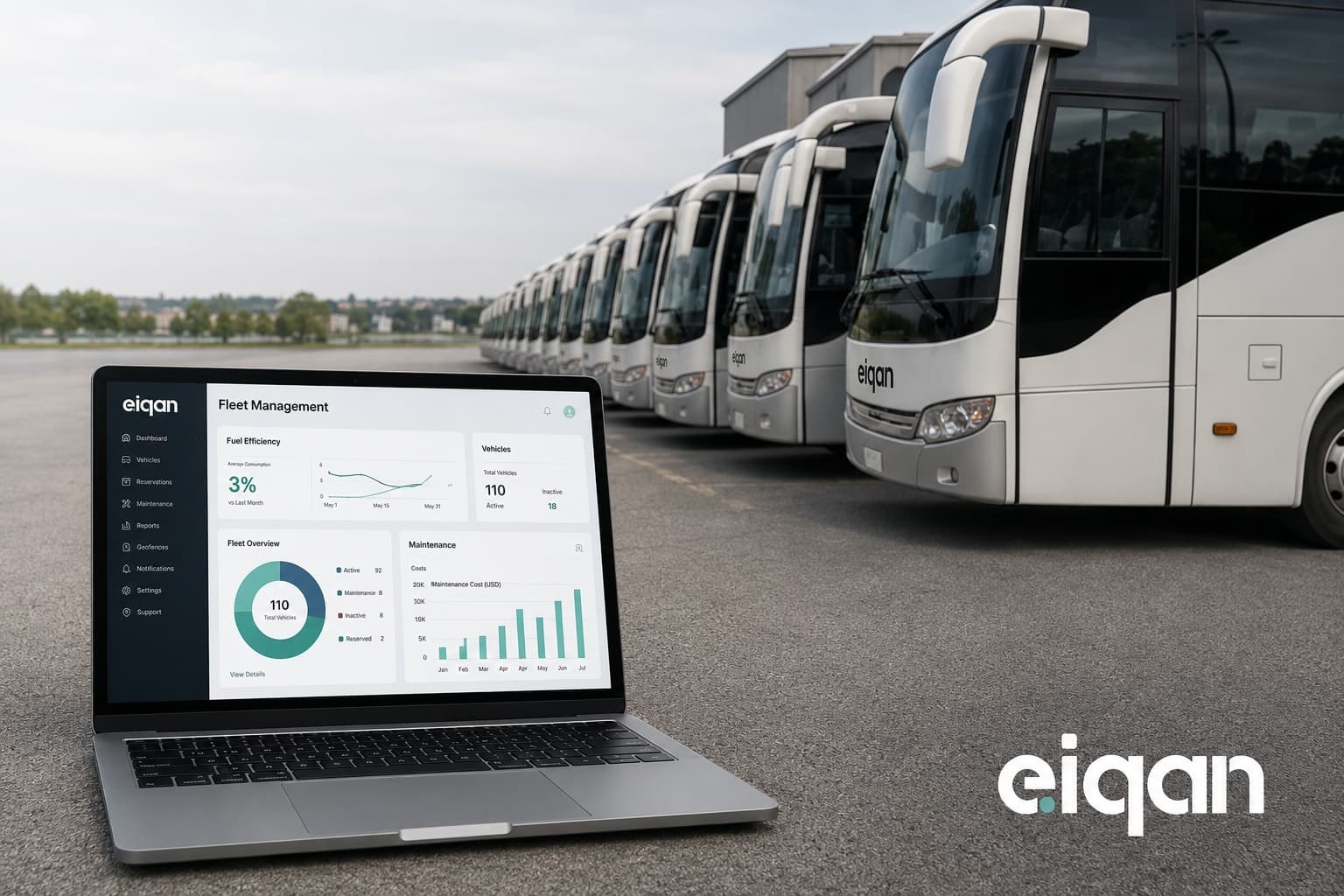
Fleet compliance for bus operators covers vehicle inspections, driver licence renewals, insurance documentation, and route-specific requirements. Failures rarely come from one big mistake — they come from small gaps accumulating quietly across a fleet with no centralised system tracking all of them together.
Fleet compliance covers more ground than most operators initially expect: vehicle inspections and maintenance schedules, driver licensing and training records, insurance documentation, and route-specific regulatory requirements that vary by client type.
The operators who stay ahead of compliance issues aren't the ones with the fewest vehicles, they're the ones with the clearest system for tracking renewal dates, inspection results, and driver records in one place, instead of across paper files or scattered spreadsheets.
Why Compliance Failures Rarely Come From One Big Mistake
What usually causes a fleet compliance failure?
Not a single dramatic error, but small gaps that accumulate quietly, a license renewal missed by a few weeks, an inspection record that was never filed, a driver document that expired without anyone noticing until a client asked for it.
Each individual gap looks minor in isolation. A missed renewal date, a document filed in the wrong place, a vehicle inspection that's two weeks overdue, none of these feel urgent on their own. The risk builds when an operator is managing dozens of these details across dozens of vehicles, with no single system tracking all of them together.
That's when a routine client audit or a regulatory spot-check turns into a scramble, pulling paper files, calling drivers for documentation, and hoping nothing critical has actually lapsed.
Where Documentation Requests Actually Come From
Compliance documentation isn't usually requested on your schedule. A school renewing its contract wants proof before signing, not after. A corporate client's procurement team runs a vendor audit without much notice. A regulator conducts a spot inspection. In every case, the operators who can produce documentation immediately look categorically more professional than the ones who need days to assemble it.
This is less about avoiding penalties and more about winning and keeping contracts. Clients increasingly treat documented compliance as a baseline requirement, not a nice-to-have, and an operator who can't produce it quickly signals risk, regardless of how good their actual safety record is.
Digital documentation also changes how quickly a compliance gap gets caught in the first place. A paper-based system typically surfaces a lapsed renewal only when someone happens to check the file, often right when a client or regulator asks for it. A centralized tracking system flags the same lapse weeks in advance, while there's still time to renew calmly instead of scrambling. Over a full fleet, that difference compounds: dozens of renewal dates, inspection cycles, and driver documents moving independently are nearly impossible to track reliably by memory or spreadsheet alone, no matter how organized an individual coordinator is.
EIQAN's fleet management platform centralizes inspection records, driver documentation, and renewal tracking for every vehicle you operate.
See how fleet management worksA Practical Fleet Compliance Checklist
- 1Vehicle inspection and maintenance history logged per unit, not per fleet
- 2Insurance and registration renewal dates tracked with advance reminders
- 3Driver license and training expiry tracked individually, not assumed current
- 4Incident and near-miss logs kept even for events that didn't result in a claim
- 5Client-specific compliance documentation on file, especially for school contracts
Centralizing this into a single operational dashboard doesn't just reduce risk, it also makes it dramatically easier to win and retain contracts with schools and corporates who increasingly ask for documented proof of compliance before signing.
Frequently Asked Questions
How far in advance should license and inspection renewals be tracked?
Ideally with enough lead time to renew without disruption, most operators aim for 30-60 days' notice so a renewal never becomes a same-week scramble.
Do near-miss incidents need to be logged even if nothing happened?
Yes. Near-miss logs reveal patterns before they become actual incidents, and many institutional clients specifically ask for this history during compliance reviews.
Is compliance documentation different for school contracts versus corporate contracts?
Often, yes, school contracts typically require additional child-safeguarding documentation on top of standard vehicle and driver compliance records.
Can compliance tracking work across a fleet with vehicles of different ages and types?
Yes. Tracking is done per vehicle, so mixed fleets, different ages, sizes, and usage types, are tracked individually rather than assumed to share a single compliance timeline.
What's the simplest way to start centralizing compliance tracking?
Most operators start by consolidating whatever documentation already exists, even scattered spreadsheets, into one system, then build the reminder and renewal-tracking habit from there rather than waiting for a perfect starting point.
Should compliance tracking include subcontracted or partner vehicles?
Yes, if those vehicles operate under your contracts, clients and regulators generally don't distinguish between owned and subcontracted vehicles when assessing compliance.
Who within an operator's team should own compliance tracking?
Most operators assign it to a dedicated operations or compliance coordinator rather than splitting it across drivers or dispatchers, since a single point of ownership is what keeps renewal dates from slipping through the cracks.
Does compliance tracking help during insurance renewal, not just client audits?
Yes, insurers increasingly ask for the same documentation clients do, and a fleet with a clean, centralized compliance record typically has an easier renewal process than one assembling records from scratch each year.