
Student Transportation in Riyadh: How Schools Are Managing Daily Bus Routes
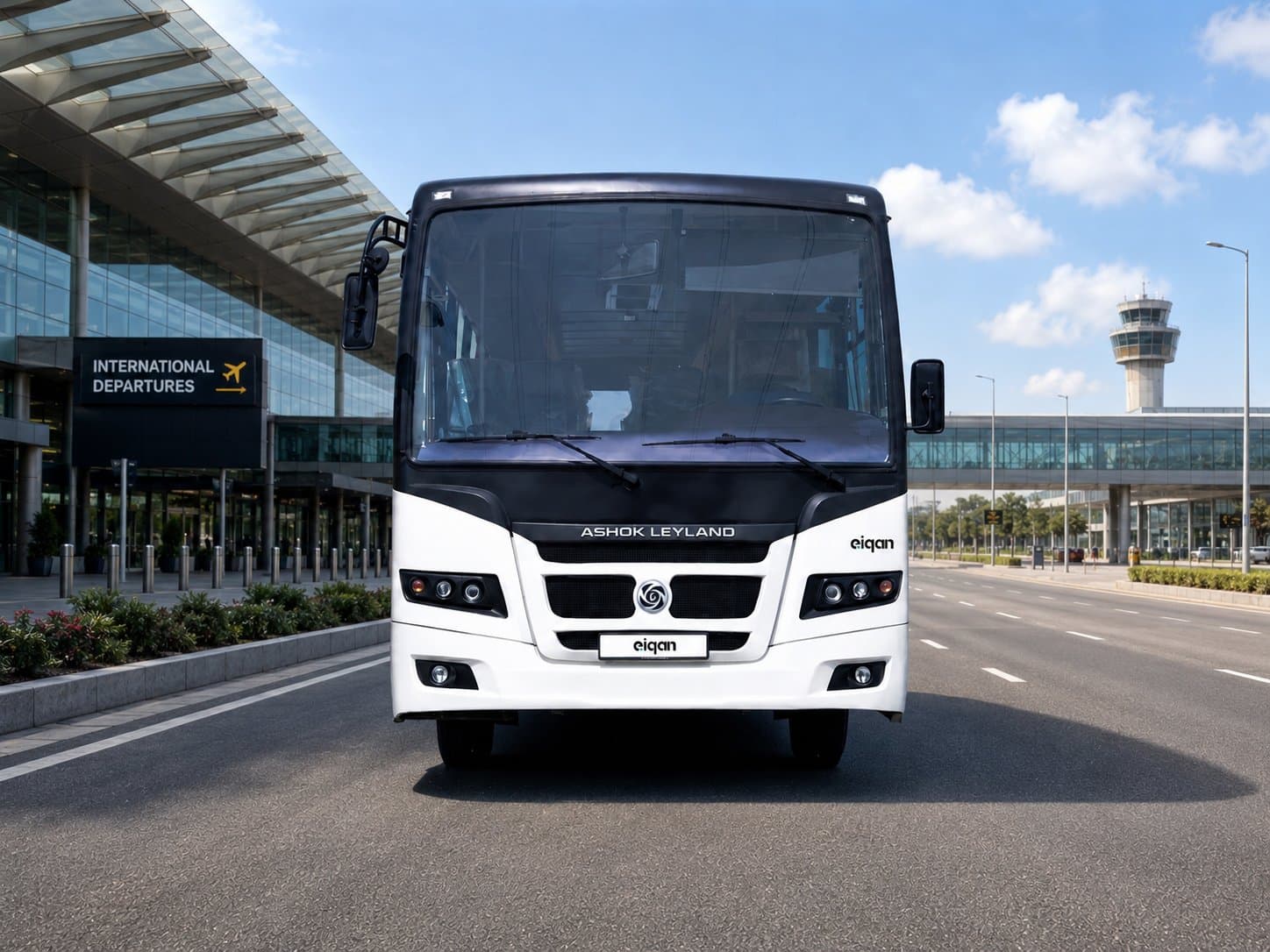
Student transportation in Riyadh is a logistical operation that touches thousands of families every school day. With private and international schools operating across the capital, and a road network that carries some of the heaviest commuter traffic in the Gulf, getting children safely to school and home again is a meaningful operational challenge for any institution.
Riyadh's rapid urban expansion, from the dense central districts of Al Olaya and Al Malaz to the newer residential clusters of Al Yasmin, Al Nakheel, and Al Narjis, means that school catchment areas often span long distances with varying traffic conditions. A school bus route that worked five years ago may be inadequate today.
This guide covers the specific dynamics of student transportation in Riyadh: the traffic and routing challenges, what professional management looks like, and how schools across the capital are using GPS-tracked, fully managed transport services to give parents reliable daily updates.
Why Student Transportation in Riyadh Requires Active Management
What makes student transportation in Riyadh different from other cities?
Riyadh combines high school density, long residential catchment areas, and significant peak-hour congestion. Routes that pass through King Fahd Road, the airport expressway, or the northern ring road face delays that vary day to day. Without active route management and live GPS, a school has no visibility into whether buses are running on time.
School start and end times in Riyadh tend to cluster around the same window, which means transportation demand peaks sharply twice a day. For schools that manage their own fleets without a professional operations team, this creates pressure on drivers, supervisors, and office staff simultaneously.
The consequence of poor route management is not just late buses. It is parents who cannot plan their mornings, students who wait at the roadside past their scheduled pickup time, and schools that spend disproportionate administrative time on transport coordination rather than education. A well-structured transport service should make these problems invisible.
GPS Tracking on Riyadh School Bus Routes
Real-time GPS tracking has become the baseline expectation for school bus services in Riyadh. Most private and international schools now require it as a minimum, and many parents specifically ask about it before enrolling their children in a school's transport programme.
The practical value of GPS on Riyadh's routes goes beyond knowing where a bus is. It enables the school's transport coordinator to see if a bus is delayed on King Abdullah Road and proactively notify parents rather than waiting for complaints. It also creates a record of every route that the school can review if a parent raises a concern about timing or deviation.
Providers offering GPS tracking should be able to demonstrate a live dashboard, not just describe the feature. Ask to see real-time vehicle positions on a map during the demonstration, and confirm that parents receive automated notifications at pickup and drop-off.
EIQAN provides live GPS tracking on all Riyadh routes with parent-facing notifications.
See how route tracking worksRouting Across Riyadh's Key Residential Districts
Riyadh's geography creates distinct routing clusters for school transportation. The northern residential belt, including Al Yasmin, Al Narjis, Al Nakheel, and Hittin, is home to a large proportion of the expatriate community and feeds a significant share of private school enrollment. Routes from these areas to schools in Al Olaya or Al Muhammadiyah can range from 15 to 40 minutes depending on traffic.
The central and eastern districts, including Al Malaz, Al Wuroud, and Al Rabwa, have their own routing dynamics. Schools in these areas often serve a wider catchment that mixes southern and eastern residential zones with central Riyadh, requiring multi-segment routes with staged pickup timing.
Professional route design for Riyadh schools should account for peak-hour variability, not just the shortest distance. A route optimised for 7 AM may perform poorly at 7:30 AM, and a good transport provider will build this variability into its scheduling rather than using a fixed timetable that breaks down at peak times.
What Full Management Means for Riyadh Schools
Fully managed student transportation means the school is not responsible for driver recruitment, vehicle maintenance, route planning, or day-to-day operations. The transport provider handles all of this, and the school receives a daily service with live visibility into its performance.
For most private and international schools in Riyadh, this model is both more cost-effective and operationally cleaner than managing an in-house fleet. The school avoids the capital cost of vehicles, the HR complexity of driver employment, and the administrative overhead of compliance management, while gaining a service with professional standards and accountability.
The key variable is the quality of the provider. Fully managed transport only works if the provider brings genuine operational capability, not just vehicles and drivers. This means route engineering, performance monitoring, parent communication tools, and a response process for delays and incidents.
EIQAN delivers fully managed student transportation for schools across Riyadh.
Request a Riyadh quoteChoosing a Student Transportation Provider in Riyadh
When evaluating providers, Riyadh schools should go beyond price. The lowest-cost option rarely reflects the operational depth required to run reliable daily routes across a city of Riyadh's scale and complexity. Ask providers how they handle route delays, what their incident response process is, and whether they assign fixed drivers to fixed routes.
Request a demonstration of the GPS tracking platform before signing. Visit the provider's depot if the contract size justifies it. And ask for references from other schools in Riyadh, specifically schools with similar catchment areas and route complexity to your own.
A transport provider that has operated in Riyadh for multiple years will have route knowledge, traffic data, and an understanding of the city's specific conditions that a newer entrant cannot replicate. This operational history is worth asking about directly.
Frequently Asked Questions
How are school bus routes planned in Riyadh?
Professional transport providers in Riyadh plan routes based on student home addresses, school location, traffic patterns by time of day, and bus capacity. Routes are designed to minimise travel time per student while keeping pickup and drop-off windows predictable for families.
Do Riyadh school buses use GPS tracking?
Yes. Real-time GPS tracking is now a standard expectation for school bus services in Riyadh. Most professional providers offer a live tracking dashboard for school administrators and automated notifications for parents at pickup and drop-off.
How long should a school bus commute take in Riyadh?
Typical Riyadh school bus commutes range from 20 to 50 minutes depending on the student's residential district and the school's location. Routes from the northern residential belt to central Riyadh tend to run longer during morning peak hours.
Can a school switch transport providers mid-year in Riyadh?
It is possible to change providers mid-year, though the transition requires careful planning around route handover, driver briefings, and parent communication. Most schools plan provider changes for the start of a term rather than mid-term to minimise disruption.