
Employee Transport in Dammam and Eastern Province
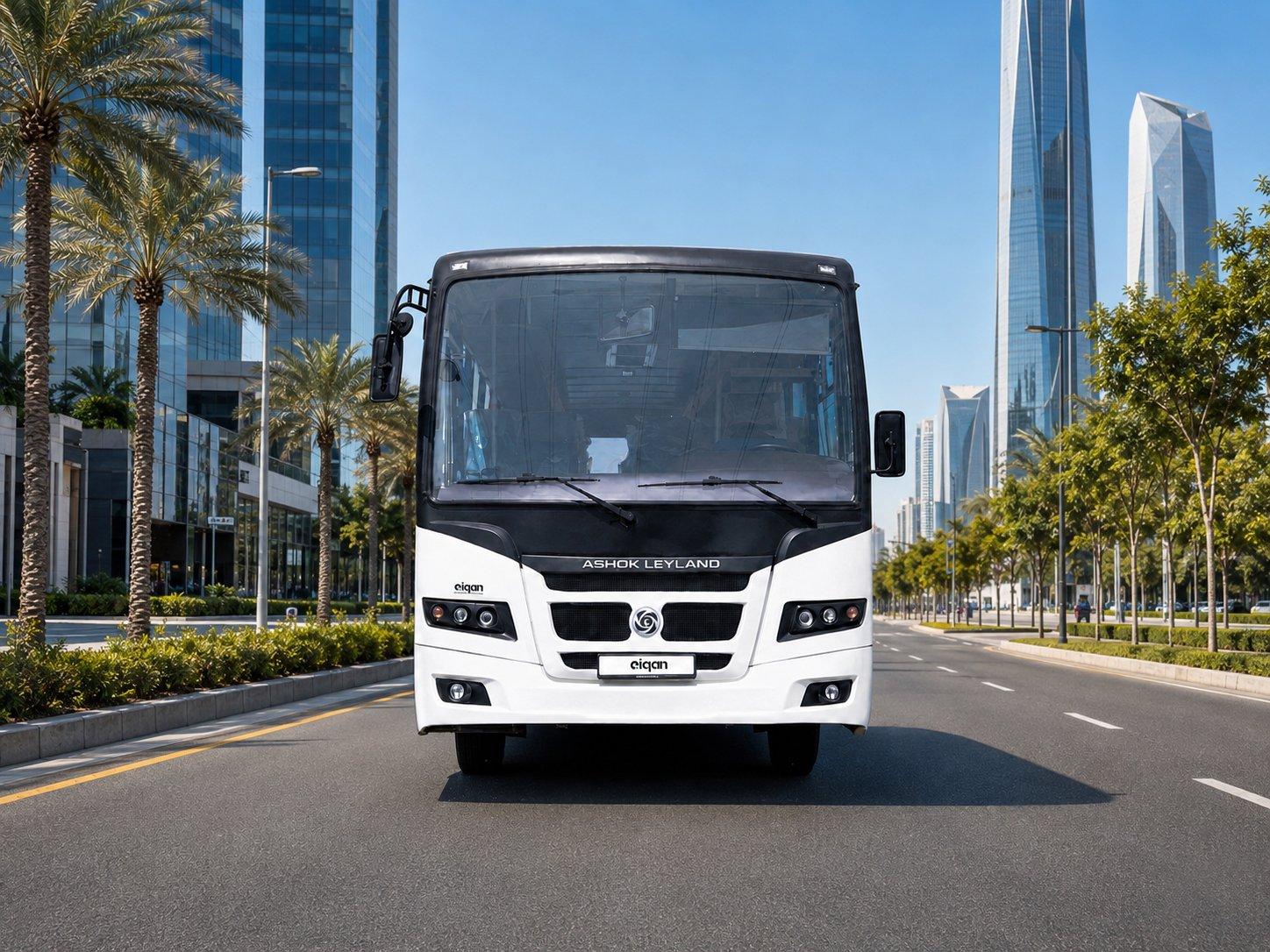
Employee transport in Dammam works best when it is planned across the whole Eastern Province, because workers often live in one city and work in another. Build routes from real home districts, match them to shift patterns, and choose a provider that offers live GPS tracking and written proof of driver and vehicle compliance.
Dammam, Khobar, and Dhahran form one connected urban area. Add the industrial zones, the port, and the energy sector, and many employees face a daily commute that crosses city lines and starts at odd hours.
This guide is written for HR, operations, and facilities teams in the Eastern Province. It explains how to plan shuttles around shifts, what to ask a provider, and how to keep the service reliable once it is running.
How Eastern Province Commutes Differ
Why is employee transport in Dammam different from other cities?
Many Eastern Province employers run shifts, and workers often live in a different city from their workplace. Commutes cross Dammam, Khobar, and Dhahran, and some sites sit in industrial areas with limited public transport. Shuttles therefore need to be planned around shift times and wider area routes, not a single city centre.
A day shift, an evening shift, and a night shift can each need their own pickup pattern. A shuttle built only for 8 AM office hours will leave a large part of the workforce without a ride.
Industrial sites are often far from residential districts. If there is no public transport nearby, a shuttle is not a perk. It is how people get to work at all.
Summer heat adds another requirement. Working air conditioning on every vehicle is a basic expectation, not an extra.
Planning Routes Around Shifts
Start by listing every shift and its start and end times. Then ask employees for their home district and group them by cluster.
Match clusters to shifts. A route that serves the day shift from Khobar may share nothing with the one serving the night shift from Dammam, and that is fine. Separate routes that run on time are better than one route that tries to do everything.
Plan for shift handovers. When one shift ends and another begins, a vehicle can often drop one group and collect the next. This saves vehicles and keeps the fleet busy.
EIQAN plans shift based employee shuttles across Dammam, Khobar, and the Eastern Province.
See our Dammam servicesTracking, Check-In and Reporting
Live GPS tracking shows where every vehicle is, so supervisors can act on a delay straight away. Without it, you find out about problems from angry phone calls.
Digital check-in records who boarded and when. For sites with safety rules about headcounts, this is more reliable than a driver counting by hand.
Monthly reports on punctuality and ridership help you adjust routes. They also give HR numbers to share with management when the budget is reviewed.
Compliance and Safety Checks
Saudi transport rules apply across the Eastern Province. Drivers should hold the commercial licence for the vehicle class, vehicles should be registered and inspected, and the provider should hold a valid operating licence.
Ask for these documents before you sign. Request driver licence copies, background check summaries, and current vehicle certificates. A provider that hesitates is telling you something.
Long night routes need extra care. Ask how the provider manages driver rest, how incidents are reported, and what the plan is if a vehicle breaks down in a remote area.
EIQAN keeps driver and vehicle documentation ready for review before any contract is signed.
Request a compliance briefingChoosing a Managed Provider
A managed provider handles vehicles, drivers, maintenance, routing, and reporting under one contract. You deal with one team instead of several suppliers.
Ask for a route proposal based on your shifts and employee districts. A provider that can only offer general promises at the proposal stage is unlikely to manage a complex schedule well.
Plan close monitoring for the first month. New routes always need small changes once real traffic and boarding patterns appear.
Key Takeaways
- 1Plan Eastern Province routes across Dammam, Khobar, and Dhahran, not one city
- 2Build separate routes for each shift pattern and use handovers to keep vehicles busy
- 3Live GPS tracking and digital check-in give supervisors and HR the data they need
- 4Verify licences, vehicle documents, and the operating licence before signing
- 5Monitor new routes closely in the first month and adjust early
Frequently Asked Questions
Does EIQAN provide employee transport in Dammam?
Yes. EIQAN provides managed corporate shuttle service in Dammam and the Eastern Province, including shift based routes with live GPS tracking and digital check-in.
Can a shuttle serve workers from Dammam, Khobar and Dhahran?
Yes. A route can collect staff from several cities, but it should be planned with realistic travel times at shift change hours. Long routes may need to be split so each one runs on schedule.
How do shuttles work for night and rotating shifts?
Each shift gets its own pickup plan. Providers can run separate routes for day, evening, and night teams, and use shift handover times to reuse vehicles efficiently.
What should an employer ask a shuttle provider in Dammam?
Ask for driver licences, background checks, vehicle registration and inspection certificates, the operating licence, a live demonstration of tracking, and a breakdown plan for night routes.
How do I know if the shuttle is working?
Track on-time arrival rate, riders per trip, and complaints every month. If a route is underused, merge or retime it. If it fills early, add capacity.