
Corporate Shuttle Service in Jeddah: Employer Guide
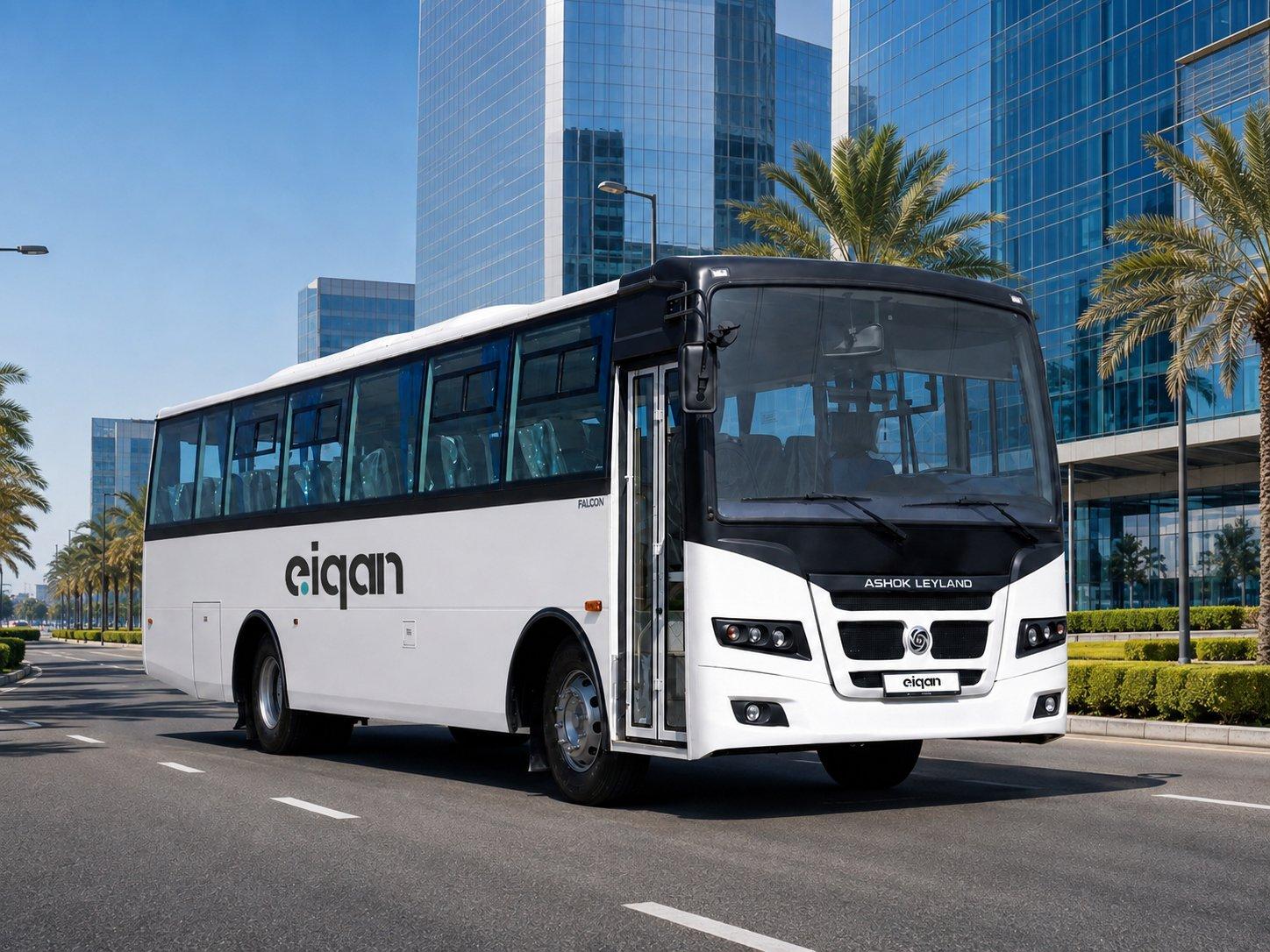
A corporate shuttle in Jeddah works when routes follow where employees actually live and the schedule matches real shift times and traffic. Most employers get better results from a managed provider than from running their own vehicles. Ask for GPS tracking, digital check-in, and written proof of driver and vehicle compliance before you sign.
Jeddah is a long coastal city. Staff may live in the north near Obhur, in the centre, or in the south near the airport, while the office sits somewhere else entirely. A car allowance does not fix that. It just moves the traffic problem onto each employee.
This guide is for HR and operations managers who are planning an employee shuttle in Jeddah for the first time, or replacing one that has stopped working. It covers route design, scheduling, provider choice, and how to tell whether the service is doing its job.
Why Jeddah Employers Run Shuttles
Why do companies in Jeddah offer employee shuttles?
Jeddah commutes are long and unpredictable at peak hours, and many employees live far from their workplace. A shuttle gives staff a reliable way to arrive on time, reduces late starts, and removes the cost and stress of daily driving. For the employer it also gives a clear record of who travelled and when.
Late arrival is the most common complaint HR teams hear. When ten people are ten minutes late three times a week, the cost is real even if nobody notices it on a single day.
Shuttles also help with hiring. A candidate who knows there is a reliable ride from their district to your site is more likely to accept the job and more likely to stay.
None of this works if the service is unreliable. A shuttle that runs late teaches people to stop using it within the first few weeks.
Mapping Routes Across a Long, Coastal City
Start with data, not assumptions. Ask employees for their district, not their full address, and group the answers. You will usually find a handful of clusters that account for most riders.
Jeddah's shape matters here. A route that tries to collect people from the far north and the far south in one loop will be too long to run on time. Two shorter routes serve people better than one long one.
Think about the roads your buses will actually use at 7 AM. Palestine Road, King Abdulaziz Road, and the roads toward the airport carry heavy traffic at the start and end of the working day. Build the timetable from travel times you have observed at those hours, not from the distance on a map.
EIQAN designs employee shuttle routes in Jeddah from real district data and tracks every trip live.
See our Jeddah servicesShift Timing and Realistic Schedules
List every shift pattern before you finalise a schedule. Day staff, split shifts, and night teams all need different pickup and drop-off times. A single morning bus rarely fits all of them.
Build in a buffer. If a bus must reach a stop at 7:15 to get people to work by 8:00, one slow morning will break the whole run. A buffer of ten to fifteen minutes costs little and saves a lot of complaints.
Review the timetable after the first month. Real ridership will show you which departures are full, which are empty, and where a stop should move.
Managed Provider or In-House Fleet
Running your own shuttle means buying or leasing vehicles, hiring and supervising drivers, handling maintenance, and keeping compliance papers current. Few employers want that job.
A managed provider takes all of it on. You get a monthly invoice, a dashboard, and one phone number to call when something goes wrong. You also keep the flexibility to add or drop routes as headcount changes.
In-house can make sense for very large sites with their own transport team. For most offices, factories, and campuses in Jeddah, a managed contract is simpler and easier to hold to account.
EIQAN runs managed corporate shuttle programmes with GPS tracking, digital check-in, and monthly reporting.
Learn about corporate shuttle serviceWhat to Ask a Jeddah Shuttle Provider
Ask for proof, not promises. Request driver licence copies, background check summaries, vehicle registration and inspection certificates, and the company's operating licence before you sign.
Ask to see the live tracking platform. You should be able to watch vehicles move on a map and receive a report on punctuality. Ask how often positions refresh and who can see them.
Ask what happens when a bus breaks down. A good provider has a replacement plan and tells you about the delay before your staff start calling you.
Finally, ask for an itemised quote. Prices that look low often leave out tracking, check-in, or replacement vehicles.
Measuring Whether the Shuttle Works
Track three numbers every month. On-time arrival rate, riders per trip, and the number of complaints. Together they tell you whether the programme is healthy.
If a route is half empty, merge it or change its timing. If it is full before the last stop, add a vehicle or split the route.
Share a short summary with staff each month. People use a service more when they can see it is being managed.
Key Takeaways
- 1Build Jeddah shuttle routes from employee districts, and split long routes in two
- 2Plan schedules around observed peak-hour travel times, with a buffer
- 3A managed provider is simpler to run and easier to hold accountable than an in-house fleet
- 4Ask for licences, vehicle documents, live tracking access, and an itemised quote before signing
- 5Review on-time rate, riders per trip, and complaints every month
Frequently Asked Questions
Does EIQAN provide corporate shuttle service in Jeddah?
Yes. EIQAN runs managed employee shuttle programmes in Jeddah with live GPS tracking, digital check-in, and performance reporting. Companies can request a route assessment through the contact page.
How do I plan shuttle routes for employees in Jeddah?
Collect each employee's district, group the answers into clusters, and design routes that serve the biggest clusters with the fewest stops. Split long routes in two so that each one can run on time at peak hours.
Is a managed shuttle better than running our own buses?
For most employers, yes. A managed provider handles vehicles, drivers, maintenance, and compliance, and gives you reports and a single point of contact. In-house operation mainly suits very large sites with a dedicated transport team.
What technology should a corporate shuttle include?
At a minimum, live GPS tracking and digital check-in. Together they show where each vehicle is and who rode, which is the data HR needs to manage the programme.
How do I compare shuttle quotes in Jeddah?
Give every provider the same route, schedule, and service requirements, then ask for itemised quotes. Check whether tracking, check-in, and replacement vehicles are included, since these are often left out of the headline price.